Complete Lymphedema Management

This 90 to 120 minute session is tailored for individuals suffering from lymphedema, featuring comprehensive assessments, manual lymphatic drainage (MLD) techniques, and the application of bandaging to the affected regions. Patients are encouraged to bring their necessary supplies, such as short bandages, compression garments, and cotton rolls, to ensure that we can address their specific needs effectively. Some sessions may be extended to maximize results and enhance overall lymphatic function.
90 minutes / $150
Clients are required to bring their own bandages, cotton rolls, and foam pads to the session. Otherwise I have some suppliers for you at the reasonable price.
Comprilan Short bandage 6cm $11 per roll
Comprilan Short bandage 10cm $15 per roll
Artiflex non-woven bandage 10cm $6 per roll
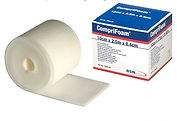
Comprifoam foam padding 12 cm $14 per roll



Thank you, my dearest aunt, for your incredible strength and resilience in the face of pancreatic cancer and lymphedema. Your journey has inspired me to learn and help others who are suffering from lymphedema. I promise to do my best to make a difference in their lives, helping them feel and enjoy each day to the fullest. Your courage motivates me to support those in need.

Lymphedema Self-Care Tips
-
Skip the Heat
Heat can make lymphedema worse, so go for a cool or room temperature shower instead. It’s a nice way to start or end your day without aggravating your symptoms. -
Get Moving Every Day
A light, brisk walk is one of the best ways to help get your lymph fluid moving. Try to make it part of your daily routine—it doesn't have to be long, just consistent and make sure you calf muscles are pumping! -
Try Deep Breathing
Diaphragmatic (deep) breathing is super simple but effective. Breathe in slowly through your nose, letting the air fill your chest and belly, then slowly breathe out. It helps keep your lymph fluid moving! -
Eat Enough Protein
Even though lymphedema involves protein rich fluid buildup, you still need protein for your body to heal and stay strong. Add a little protein (like a couple of spoonsful) to each meal. -
Measure and Track
Take measurements of the affected areas of your body every month and keep track of them. It’s an easy way to spot any changes and stay on top of things. It is a good idea to keep an eye on the adjacent extremity incase over flow fluid could happen. -
Stay Regular (And hydrated!)
Make sure you're eating enough fiber and drinking lots of water to avoid constipation. A regular bathroom routine helps your body get rid of waste and can keep everything flowing smoothly. -
Manage Stress
Stress can make everything feel worse, so take time to relax and enjoy your day. Whether it's a hobby, meditation, or just some quiet time, find what helps you feel calm and centered. -
Talk to Your Doctor if Needed
If you notice that your symptoms aren’t improving, or they seem to be getting worse, don’t hesitate to reach out to your doctor or therapist for advice. -
Get Regular MLD Sessions
Manual Lymphatic Drainage (MLD) is a great way to help manage lymphedema. Regular sessions can help reduce swelling and improve lymph flow, so consider making it part of your routine.